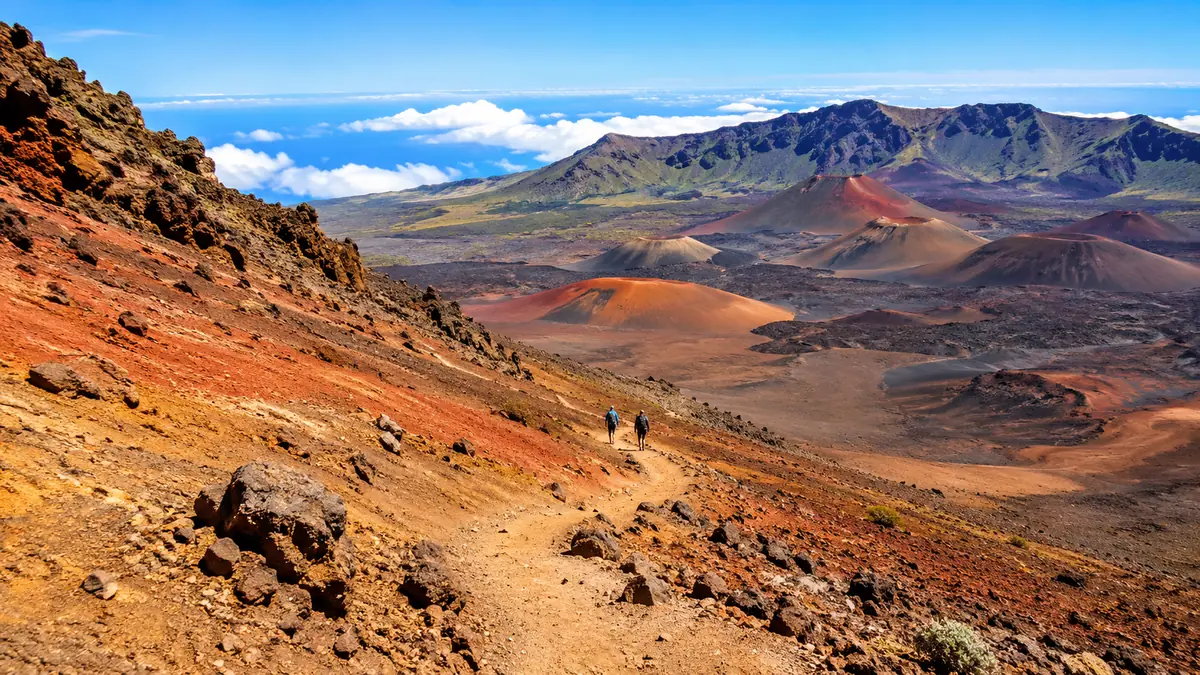
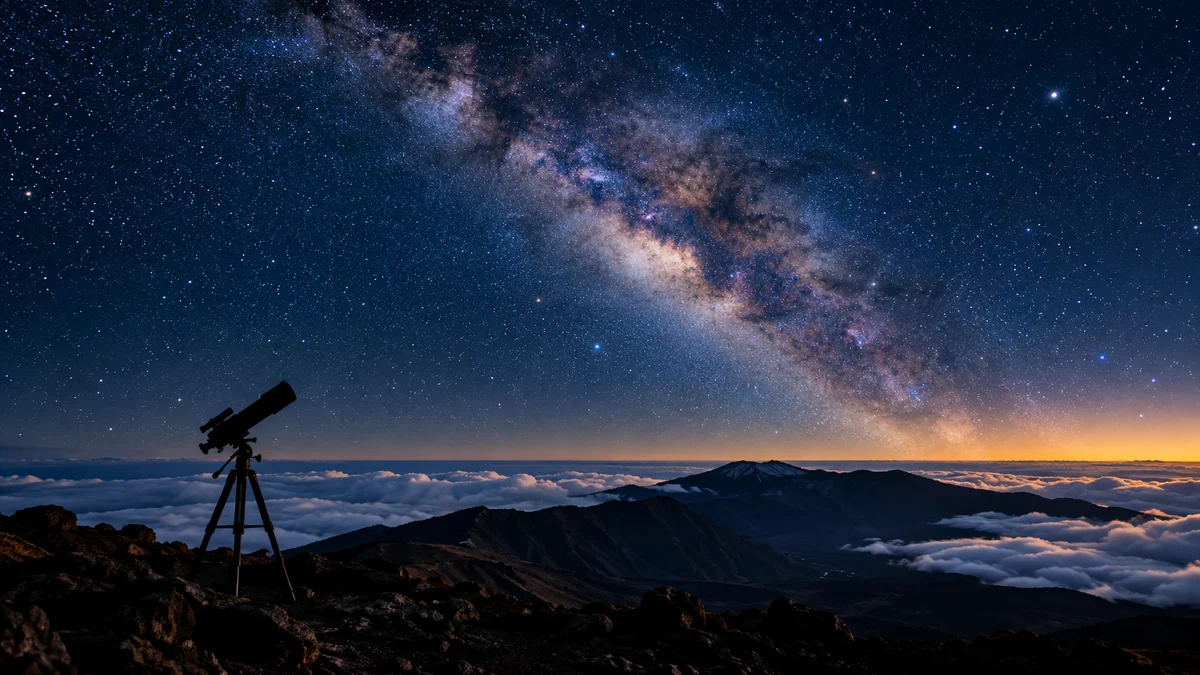
Booking choice: The sunset and stargazing tour, from $245 per person. Check dates Tour details
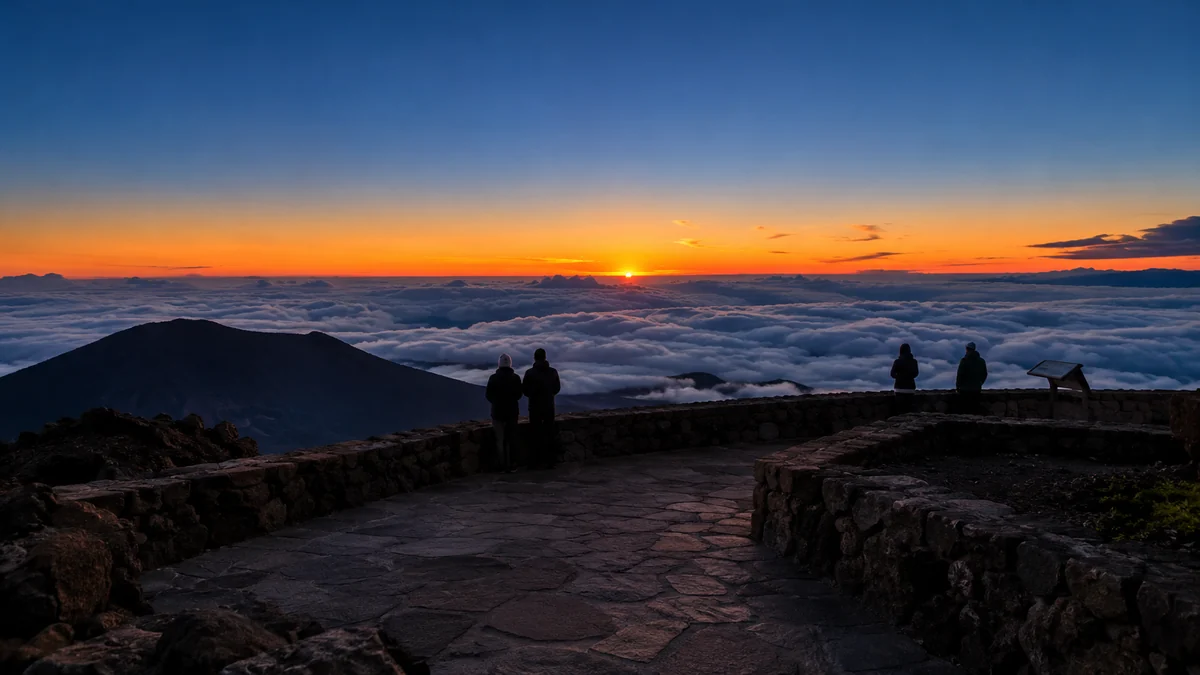
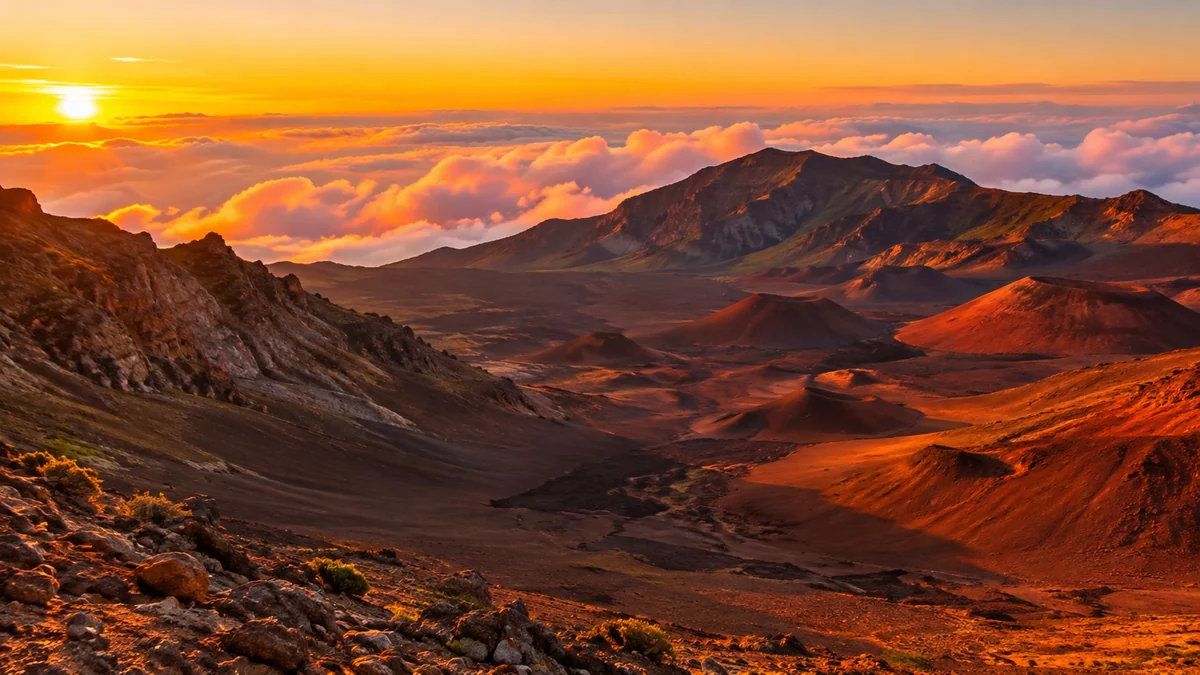
Astronomers built observatories on Haleakala for a reason. The summit sits above most of the cloud and moisture, the air is thin and clear, and the nearest big lights are far below. The park's stargazing page calls the skies pristine.
You can see it on your own with a warm blanket, or on a small tour with a telescope and a guide who knows the constellations. Here is how the two compare, when to go, and how to stay warm.
The quick answer
Go after sunset on a night near the new moon; the park is open 24 hours and needs no reservation after dark. On your own, bring layers, a chair or blanket, hot drinks and a red light. The sunset and astronomy tour from Makawao ($245, 8 guests, ages 7+) adds a telescope, parkas, chairs and a guide; dinner isn't included.
Why is Haleakala so good for stargazing?
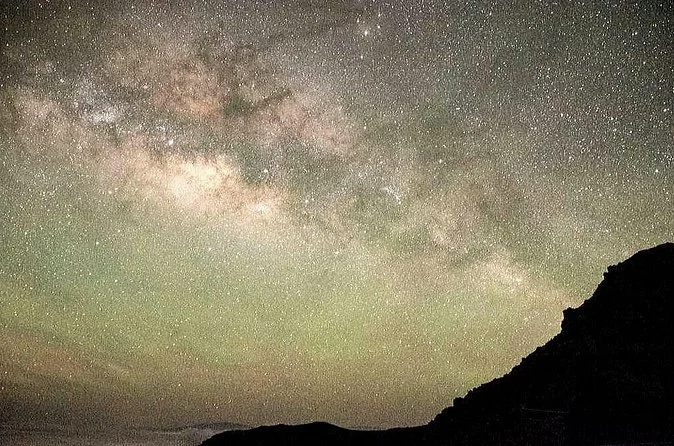
Height, clear air and darkness. At 10,023 feet you are above most of the cloud and humidity, and there is little light pollution around the summit.
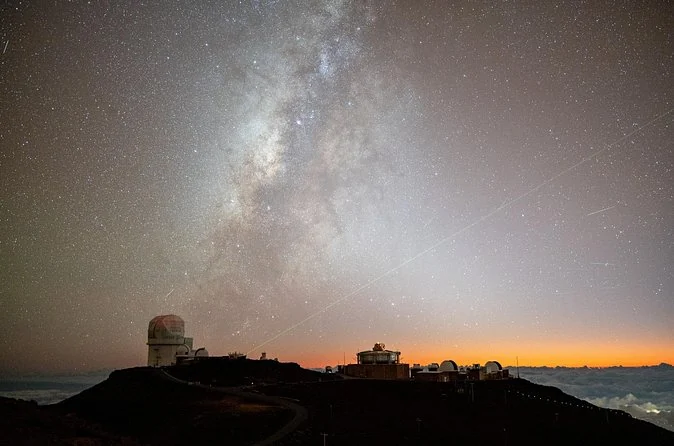
The summit hosts the Haleakala Observatories, on land managed by the University of Hawaii, among them the Daniel K. Inouye Solar Telescope. The domes are closed to visitors, but you share their sky from the public lookouts. On most nights the cloud layer sits below the summit, which blocks the glow from the towns on the coast.
It isn't guaranteed. Clouds sometimes climb over the top. One tour guest wrote that the guide "brought us down out of the clouds to see the stars better and we got a great view of the entire Milky Way".
Can you go stargazing at Haleakala on your own?
Yes. The park is open 24 hours, and you need no reservation after dark. Pay the $30 per car fee and stay as long as you like.
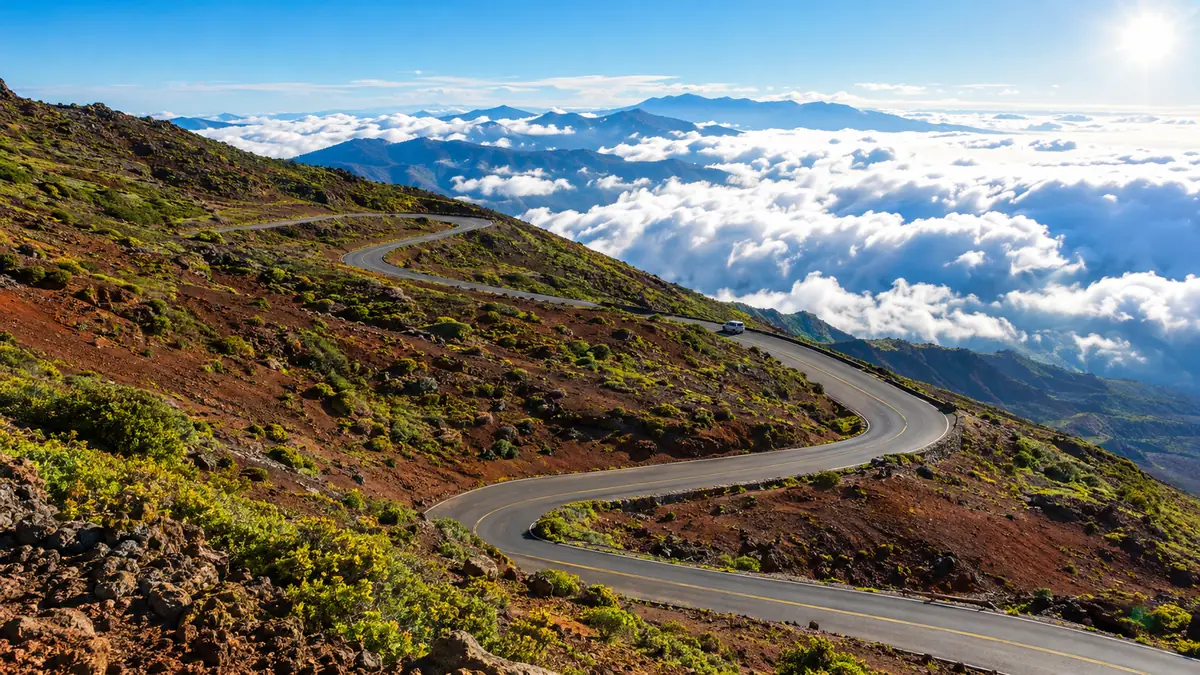
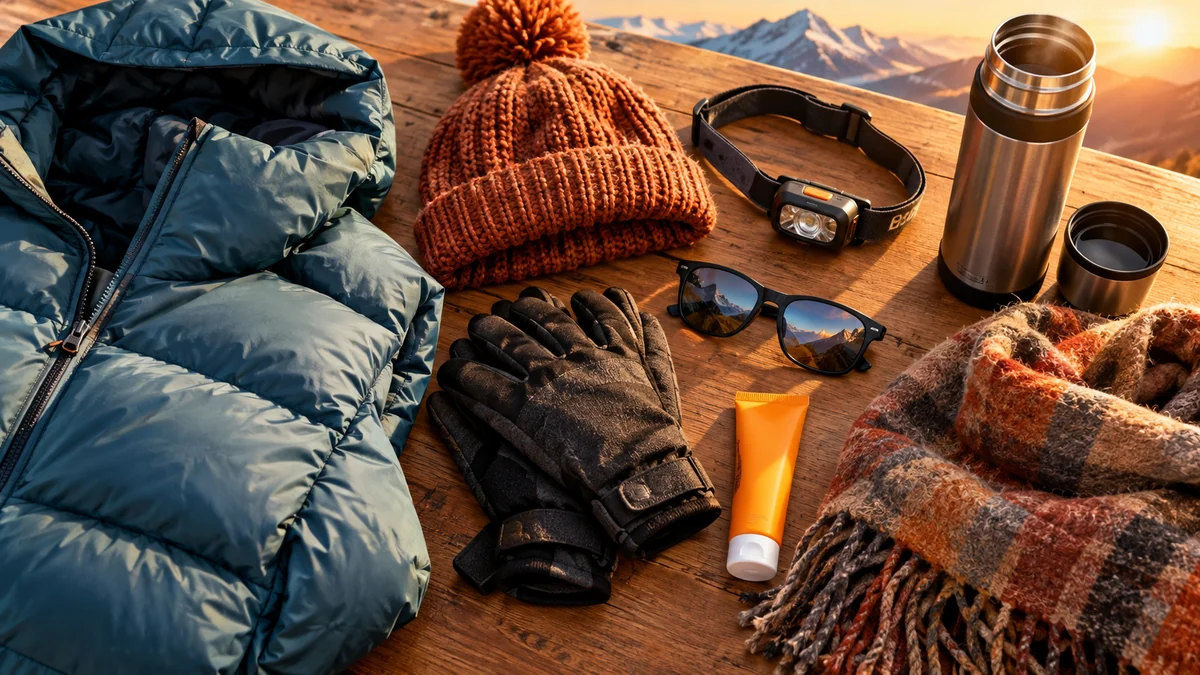
The park's tips: dress in layers, bring something to sit or lie on, bring snacks and hot drinks because nothing is sold in the park, and turn off all white lights, including your phone screen. The road has no lights or guardrails, so drive down slowly and watch for wildlife dazzled by headlights.
Two things to plan: parking at sunset, when the lots can fill, and the temperature, which keeps dropping after dark. Camping is only allowed at Hosmer Grove and Kipahulu; you can't sleep in your car at the summit.
What does the Haleakala stargazing tour include?
Sunset at the summit, then the night sky through a telescope, with binoculars, warm outerwear, chairs and coffee, tea or hot chocolate. Eight guests at most.
The Sunset and Astronomy Tour by Amazing Maui Stars meets at 4 p.m. at 81 Ahuwale Pl in Makawao (no pickup) and runs about 5.5 hours. Children from 7 can join. Dinner isn't included; several guests mention soup or chili and rice being served, so take that as a bonus, not a promise. Guests name the guide, Trish, in almost every review.
She also reschedules for weather: "She was so accommodating to reschedule us for a day with optimal viewing conditions." The listing advises against the tour for anyone who has just been scuba diving or has sinus congestion.
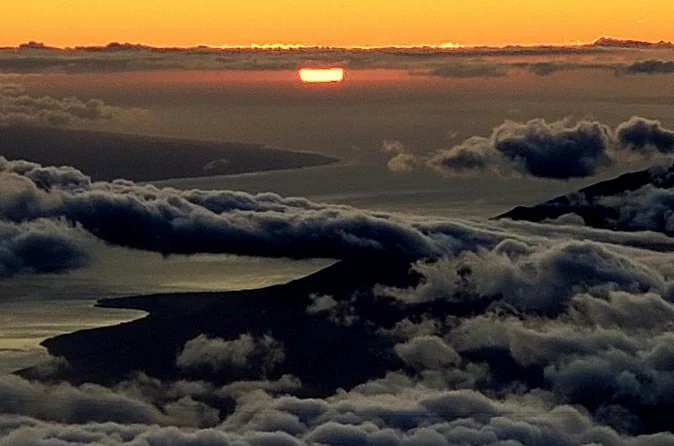
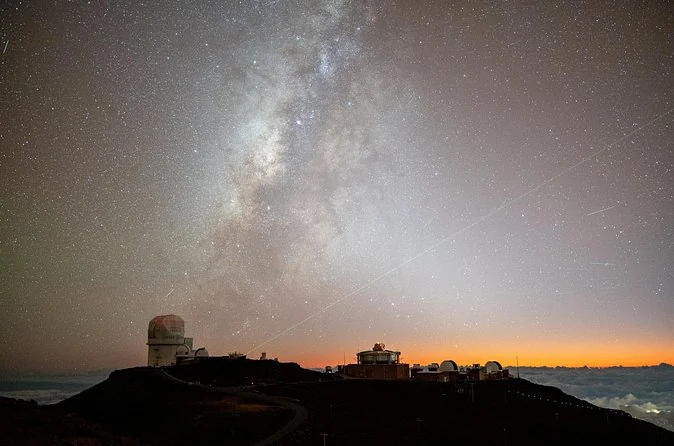
Sunset from the summit, then planets and the Milky Way through a telescope. Parkas, chairs and hot drinks provided; 8 guests max.
Explore the sunset and stargazing tour Tour detailsIs a stargazing tour better than going on your own?
For a first visit, yes: the telescope, the warm gear and someone who can name what you're looking at make the night. On your own costs $30 per car and suits confident night drivers.
Compared:
| Stargazing tour | On your own | |
|---|---|---|
| Cost | $245 per person | $30 per car (3 days) |
| Telescope | Yes, plus binoculars | Bring your own |
| Warm gear | Parkas, hats, gloves, chairs | Bring everything |
| Hot drinks | Coffee, tea or hot chocolate | Bring a thermos |
| Drive down in the dark | The guide drives | You do, on a road with no lights |
| Where | Several vantage points, chosen for the clouds | Where you find parking |
| Ages | 7 and up | Any |
When is the best time for stargazing at Haleakala?
On clear nights within a few days of the new moon. In late 2026 new moons fall around 9 November and 9 December, and around 7 January 2027.
A bright moon washes out the Milky Way, though it is a great telescope target itself. Full moons fall around 24 November and 23 to 24 December 2026. The core of the Milky Way rides highest from about April to September; winter brings Orion and the bright stars around it instead.
Weather matters more than the calendar. Book with free cancellation up to 24 hours before, and keep an eye on the summit forecast. Remember the summit had two weather closures in 2026; our closures post has the details.
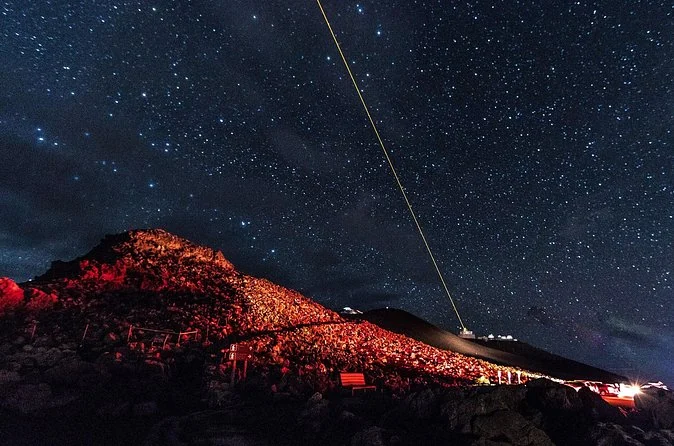
Stars with a guide and a telescope: Amazing Maui Stars meets in Makawao at 4 p.m., 8 guests max.
Check dates for the sunset and stargazing tourHow cold is Haleakala at night?
Around freezing to the 40s, with wind. Guests report 40 and 48 degrees on tour nights, and the park warns it is regularly below freezing after dusk.
Sitting still under the stars is colder than walking. A stargazing guest: "Dress WARM. Trish has extra warm coats and at least one blanket but think about windy, 40 degree weather." Another: "Dress warm! We thought we dressed warm, but not warm enough."
The full layer list is in what to wear. If you get car sick, take your remedy before the winding road; one guest gave that exact "fair warning".
Why should you use a red light at Haleakala?
Red light keeps your night vision; white light ruins it for you and everyone near you for many minutes. The park asks you to turn off all white lights.
Your eyes need 20 to 30 minutes to adapt to the dark. A phone screen or a headlamp at full white resets that. Use a red headlamp, or cover a torch with red cellophane, and dim your phone. The park also asks for quiet: the summit is sacred in Hawaiian culture, and endangered 'ua'u, Hawaiian petrels, nest in burrows near the rim.
Park with your headlights off as soon as you can, and don't use a flash.
What can you see in the sky from Haleakala?
With the naked eye, the Milky Way and far more stars than you have seen before. Through the tour's telescope, planets, star clusters and the moon.
Guests describe planets and constellations through the telescope, and "the sheer number of stars and the Milky Way that we could see with unaided eyes". Maui sits at about 21° north, so you see northern and southern sky at once. One guest found it "awesome seeing both the Big Dipper and Southern Cross at the same time in the night sky"; the Southern Cross is best in spring.
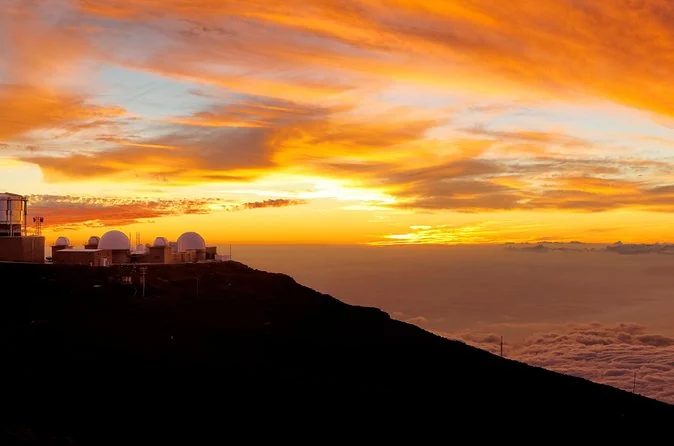
Want sunset as well? Sunrise or sunset explains why sunset is the better start for a night of stars.
Sunset, the Milky Way and a telescope in one evening, with parkas and hot chocolate included.
Check dates for the sunset and stargazing tourFrequently asked questions
Do you need a reservation to stargaze at Haleakala?
No. The reservation only applies to private cars entering between 3 and 7 a.m. After sunset you just pay the $30 per car park fee.
Is the stargazing tour worth it if it's cloudy?
The guide picks vantage points around the clouds and reschedules when the forecast is poor, guests report. If you cancel yourself, it is free up to 24 hours before.
Can kids do the Haleakala stargazing tour?
Yes, from age 7. Dress them very warmly; the tour lends parkas, but children feel the cold first.
Is dinner included on the stargazing tour?
No. The listing excludes dinner. Eat in Makawao or Pa'ia before the 4 p.m. start, and bring snacks.
Ready to book
Choose your tour
Free cancellation up to 24 hours before on every option. Prices are from-prices in USD and move with the season.
Haleakala Sunset & Stargazing Tour
- Telescope and binoculars
- Warm outer layers and chairs
- Coffee, tea or hot chocolate